REVIEW: 'Conversations With Friends' by Sally Rooney
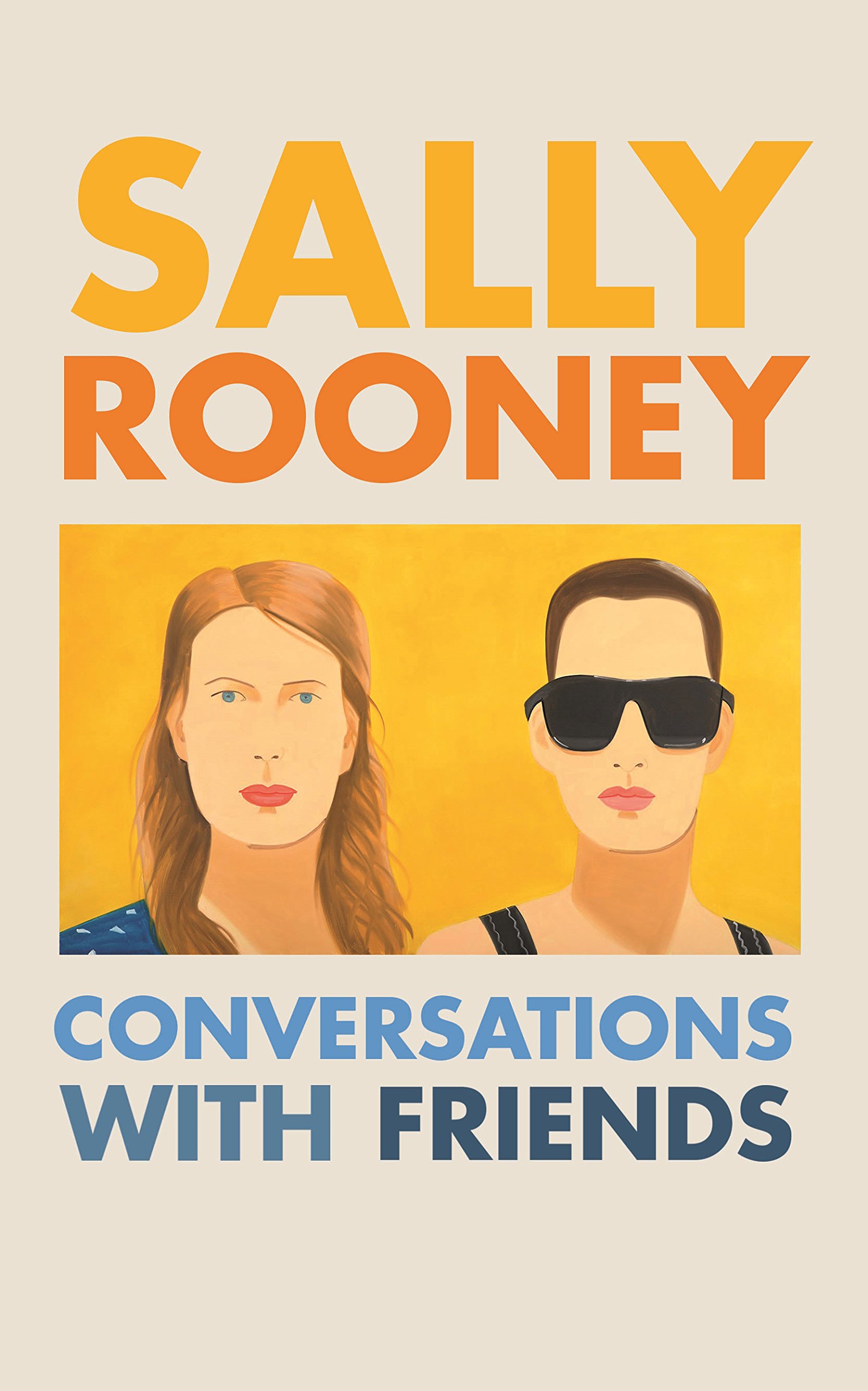 Recently having made blogsphere headlines with the release of her second novel Normal People, it seemed only sensible to start reading Rooney from the book she became known for. Conversations With Friends comes with some lofty awards to its name, including but not limited to: Kerry Group Irish Novel of the Year Award and the Sunday Independent Newcomer of the Year Award. It works as a critical portrayal of modern youth culture and attitude towards life, and has been coined something of the 'millennial literary voice' by The Gardian.
Perhaps I had come to the story with my expectation too heightened, or with my personal intrigue of what my generation's literary voice was supposed to be, but the story fell flat of what I had hoped. The tale, I feel, could have been written by anyone below the age of 27 how had sat through two to three years of a literary or art based degree at university. The prose jilted and punctuated inconsistently, so you as the reader had to frequently go back to check who was speaking.
Mild distraction...
I almost wish I had come to the novel with fresh eyes as I usually do, rather than looking up what others thought first as the social media hype made me do. Reading this novel almost became a reading of myself rather than a reading of it, and I would be lying if I said that I had been completely impartial to the tale.
There's a lot to say here about reading habits, as well as book marketing and target audiences here... but I will leave that to the experts for now. Or at least to another days post.
Back to the novel!
Conversations with Friends read like a young adult's emotional diary, written too late at night to bother with the hassle of painting a picture of scenery or person, with the narrative lead almost entirely by the present experience of extreme emotion or lack of. The two main female character's are either from wealthy backgrounds, very fortunate or depict their misfortune as nothing more than an acute emotional struggle. It is slightly tedious if you are looking for a more complex read that brings a look at life from every angle, but in retrospect it Rooney does have to pick a focus and what drives people emotionally - what arguably really matters about life - is an admiral one.
Notably though, at one point a character is rending a two bedroom flat in a city off her uncle, paid for by her father, but in another she is broke to the point of living off a handful of rice each day. I am unsure as to whether the narrative depict anything about millennial at all other than the financially fortunate among us pretend we are not, and those who are less so, pretend that they are. A frustratingly basic idea for a novel that has such exposure, and coined one-of-a-kind.
The characters, not too much more than simple caricatures of modern humanities students, did little more than maintain their existence. I was not once interested in what would happen next, finding within me the same contempt for what I was reading, that the two girls about whom I was reading had for the social and political state of humanity.
But perhaps I have been too harsh in my analysis and that is the entire point. Such an accurate depiction of the desperation of youth in cities such as London, and perhaps Belfast too though I have never personally been, is something that had not been embraced and as widely circulated before. It is a weird sort of irony that a group of people so conditioned to write, do not think to use their greatest literary resource: their experience.
All in all, I do believe this novel is worth reading and thinking about. Though not the best experience or best writing I have come across, it will throw up very important and interesting discussions at the dinner table and in book clubs that otherwise would be unlikely to happen.
hard copy // audio book
Comments
Post a Comment